
You don’t need to go to extremes to avoid chikungunya
There are more practical ways to protect yourself from this mosquito-carried disease. Talk to your travel health provider for the latest advice about your destination.
What is chikungunya?
Chikungunya is one of the most common mosquito-borne diseases.1 It’s caused by the chikungunya virus that’s spread by mosquitoes.2 These mosquitoes bite during the day, meaning they’re hard to avoid.2
Found in many popular travel spots, chikungunya can ruin your travels and stick around for a long time after.2-4
But you don’t need to go to extremes to get protected. Keep reading to learn more.

Over 2 in 54
More than 2 in 5 people infected with chikungunya will develop long-term effects, lasting months or even years.
Over 3 in 43,4,6
More than 3 in 4 people who get infected with the virus develop chikungunya symptoms.
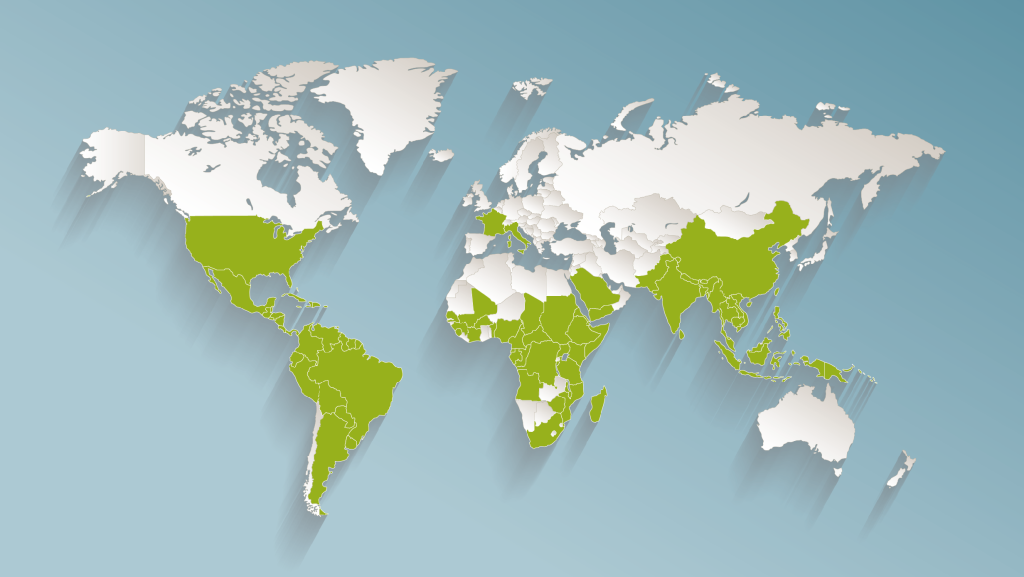
119 countries5
Chikungunya has been found in around 120 countries. Mostly tropical and sub-tropical climates in Latin America, Africa, plus South and South-East Asia.
Chikungunya symptoms
Symptoms include severe pain in multiple joints, muscle pain, fever, and rash, similar to those of Zika, dengue and malaria.2,7–9 See how chikungunya could spoil your travels on our symptoms page.

Where is chikungunya found?
Chikungunya has been found in some of the top travel destinations around the world.2 If you’ve booked a trip, chikungunya could be where you’re going.
Avoiding chikungunya
You don’t need to go to extremes to protect yourself from chikungunya. Talk to your travel health provider about practical protection.

The link below will take you to an external site not controlled by Bavarian Nordic.

Find a travel clinic
Browse travel health providers in your area.

References
1. Salam N, et al. BMC Public Health. 2018;18:710.
2. World Health Organization. Chikungunya. 2025. Available from: https://www.who.int/news-room/fact-sheets/detail/chikungunya. Accessed May 2026.
3. McGuinness SL, Wu HM. Pretravel Considerations for Non-vaccine-Preventable Travel Infections. In: Travel Medicine (Fourth Edition). 2019;53–60.
4. Rama K, et al. PLoS Negl Trop Dis. 2024;18(6):e0012254.
5. World Health Organization. Chikungunya epidemiology update – June 2025. Available from: https://www.who.int/publications/m/item/chikungunya-epidemiology-update-june-2025. Accessed May 2026.
6. Brouard C, et al. Transfusion. 2008;48(7):1333–1341.
7. Rico-Mendoza A, et al. Rev Panam Salud Publica. 2019;43:e49.
8. Shukla A, et al. J Trop Pediatr. 2021;67(3):fmaa053.
9. Faria BS, et al. Braz J Infect Dis. 2024:28(3):103747.
UK-CHIK-2600045 | May 2026